Fire Resistance Meets Durability: Why Manufacturers Choose Phenolic Prepreg
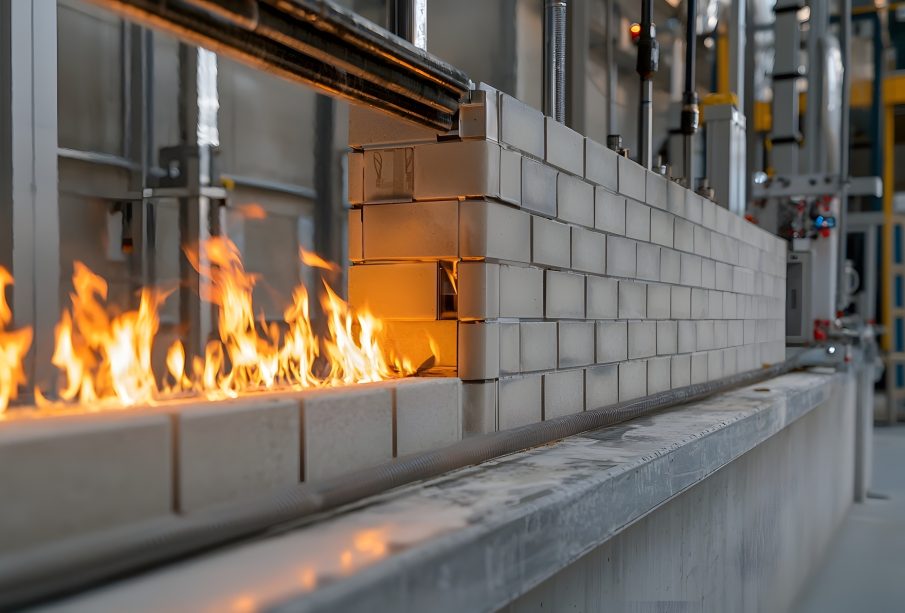
Construction materials face significant obstacles in the current landscape. They must resist fire, heat, and last for years. Engineers constantly search for multifunctional materials. A unique material has become the preferred option for the most challenging applications.
Understanding Advanced Composite Materials
Contemporary manufacturing depends increasingly on composite materials. The combination of these materials creates a more robust whole. The original components could not achieve this independently. Think of it like making a sandwich. Each part adds its own qualities to the final product.
Conventional materials frequently struggle when confronted with various obstacles. Timber ignites effortlessly. Metals both rust and conduct heat. Plastic becomes liquid when subjected to intense heat. Manufacturers need materials that can resist fire, chemicals, water, and physical stress at the same time.
What Makes Phenolic Materials Special?
For more than a hundred years, phenolic resins have addressed many industrial challenges. These artificial materials withstand fire more effectively than nearly any other plastic-derived material. When in contact with flames, they do not melt or drip as typical plastics do. In contrast, when heated, phenolic materials create a protective char layer. This character functions as a shield, safeguarding the underlying material from additional harm. The char emits significantly less harmful smoke than other types of burning plastics. Producers found they could enhance these materials further by integrating them with reinforcing fibers. This combination creates phenolic prepreg which, according to the experts at Axiom Materials, offers incredible strength along with outstanding fire resistance.
Where Fire Safety Matters Most
Some sectors cannot afford to compromise on fire safety. Aircraft producers encounter rigorous regulations concerning the materials used in passenger cabins. A minor blaze on an aircraft can turn fatal in just a few minutes. Each part must either prevent combustion or greatly hinder the spread of flames. Vessels encounter comparable difficulties. A ship fire at sea creates dangerous circumstances. According to maritime law, fire-resistant materials must be used in vital areas, including engine rooms and passenger cabins. Structures also gain an advantage from materials that resist fire. Schools, hospitals, and offices need safe evacuation materials. Fireproof elements can prevent a small incident from becoming a disaster.
Beyond Fire Resistance
Fire safety by itself does not ensure a material’s success. Producers also require materials that endure for years without costly upkeep or replacement. Phenolic composites thrive in severe chemical conditions. They resist damage from things like acids, solvents, and cleaners. This makes them ideal for labs and chemical plants. It also makes them ideal for food production. These materials also perform well in extreme heat. They function dependably in extreme cold and hot environments. Railway systems use phenolic parts because they perform well in extreme temperatures. Think of desert heat or mountain snow.
Environmental and Economic Benefits
Intelligent manufacturers consider long-term expenses when selecting materials. Phenolic composites usually have a higher initial cost than basic alternatives. Nonetheless, they conserve funds over time by lowering maintenance costs and extending service life. These substances also generate ecological advantages. Their extended lifespans result in less frequent changes and minimized waste. When well-engineered, phenolic parts can endure for decades in challenging environments.
The fire resistance additionally protects against environmental harm from industrial mishaps. Chemical leaks and blazes result in costly remediation challenges. Materials that inhibit or reduce the spread of fire help shield nearby regions from contamination.
Conclusion
Modern production needs versatile materials. Phenolic composites offer excellent fire resistance and durability. These materials protect lives and provide lasting economic value. Because of tighter safety rules and rising environmental consciousness, more manufacturers are likely to use these new materials. With fire protection, chemical durability, and an extended lifespan, they’re a better option for important applications.