
Is Social Security Disability Giving Extra Money This Month?
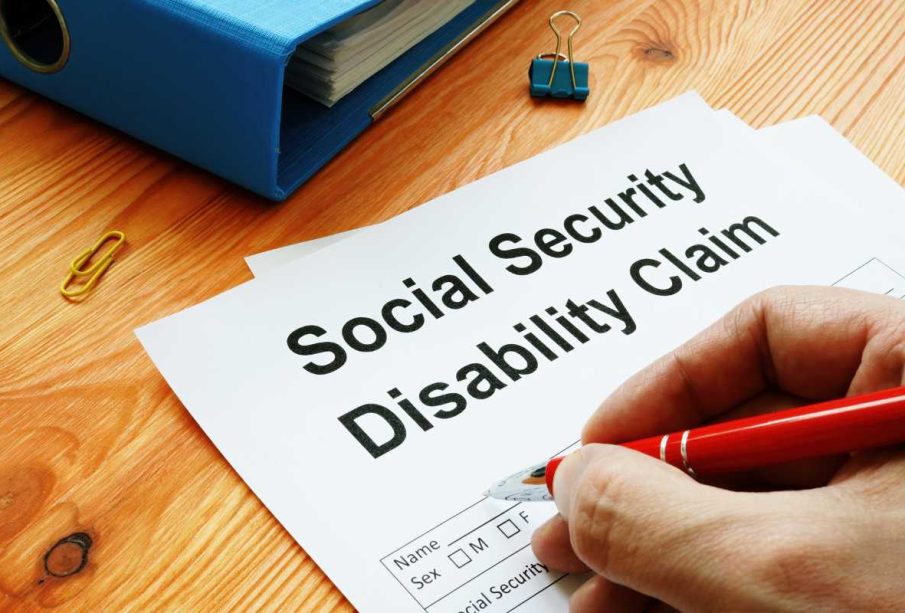
Under the best circumstances, disability benefits can be confusing, with rules and procedures that can be tough to comprehend. It’s easy to understand why internet announcements of a Social Security Disability extra payment seem so believable.
Here is an explanation of how disability benefits work and why the payment schedule could make it appear that Social Security is paying extra money for disability recipients in some months. If you have questions or concerns, the best source for answers is an experienced disability lawyer.
Payment Schedule For Disability And Other Benefits Through Social Security
If you receive disability benefits through the Social Security Disability Insurance (SSDI) program or Social Security retirement benefits, your monthly benefit payments are paid on the second, third, or fourth Wednesday of each month. The date you were born determines the specific Wednesday as follows:
- Second Wednesday for birth dates on the first through tenth day of the month.
- Third Wednesday for birth dates on the eleventh through twentieth day of the month.
- Fourth Wednesday for birth dates on the thirteenth through thirty-first day of the month.
If you receive benefits through the Supplemental Security Income (SSI) program, your benefits are paid on the first day of the month. To keep things from getting too simple, if you qualify for concurrent benefits through SSDI and SSI, expect your SSDI benefits on the third of the month and the SSI on the first.
Why Do People Think They Are Getting Extra Money This Month?
A reason for thinking you’re getting extra disability benefits money may be due to an exception to the payment schedule that was just explained. If the payment date falls on a federal holiday or weekend, the government processes SSDI, SSI, and retirement benefit payments on the previous business day.
For example, if you qualify for concurrent benefits through SSDI and SSI, you receive what appears to be an extra SSI payment on February 28 this year. The February 28 payment is the March payment made a day earlier because March 1 is a weekend. Looking at the calendar, you’ll also notice that you did not receive an SSI payment on February 1 because it was a Saturday, and you got it on Friday, January 31.
Annual Cost-Of-Living Adjustments May Look Like Extra Money
If your January payment looks like you got a Social Security disability payment increase, it may be because of cost-of-living adjustments that are announced in October of the previous year. The extra money appears in your January benefit payment, but you would have received notice last year about the change.
The cost-of-living adjustment is based on the cost of living as reflected by the Consumer Price Index. January 2025 payment of disability benefits increased by 2.5%. It represents the lowest increase in recent years and was easy to miss following a 3.2% increase in 2024 and an 8.7% boost in 2023.
The Social Security Administration typically issues public announcements and sends notices about benefit changes, including extra benefits that you may be entitled to receive. Another way to learn about extra benefit payments is by calling or visiting a local Social Security office. Local offices have up-to-date information about your benefits and any changes to them, including extra payments or changes to the payment schedule for benefits you currently receive.
Reporting Missed, Late, Or Incorrect Disability Payment
Most people receive their benefit payments through direct deposit to an account at a financial institution or to a Direct Express Debit Mastercard. If a benefit payment does not appear in your bank account on the due date, contact your bank to determine if it appears as a pending deposit before contacting the Social Security Administration.
If the payment continues to be missing after checking with your bank, call the SSA at 1-800-772-1213 (TTY: 1-800-325-0778). A missing payment may also be reported by visiting a local Social Security office.