
Small Workshop Welding: Choosing Equipment That Fits Your Space
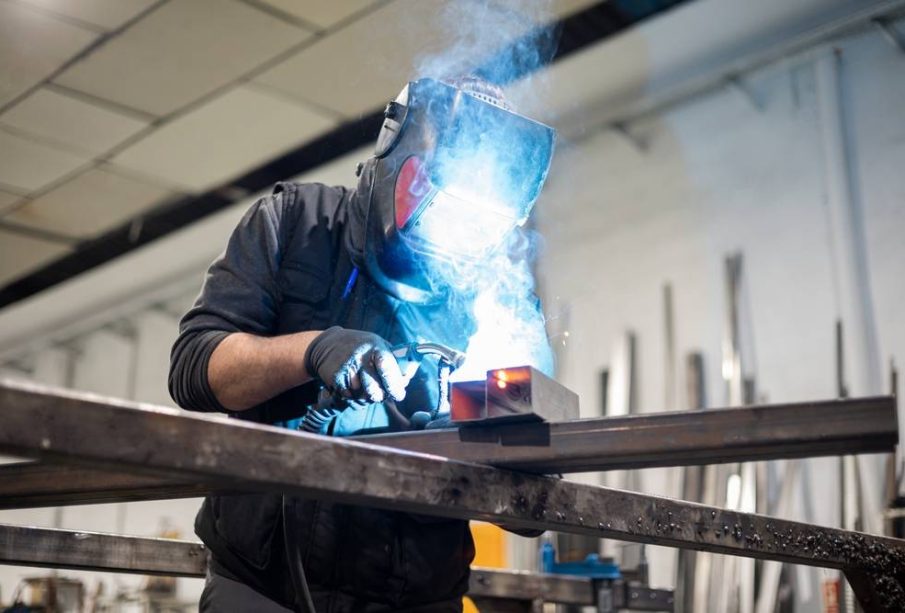
Small workshops have to get creative when it comes to welding equipment because every square foot counts, storage space is basically nonexistent, and there’s definitely no room for equipment that just sits around gathering dust. The trick is finding welding machines and accessories that can handle serious work while fitting into tight spaces without turning the workshop into an obstacle course.
Plenty of welders working out of garages, basements, or tiny commercial spaces think they have to settle for less capable equipment just to make everything fit. That used to be true, but modern welding technology has changed the game pretty dramatically—it’s actually possible now to get professional-level welding performance in machines that are surprisingly compact and don’t take over the entire workshop.
Compact Welders That Actually Get the Job Done
Modern inverter technology completely changed the welding equipment size equation without making performance suffer. Today’s compact welders can deliver the same power and arc quality as those massive old transformer machines while taking up way less space and weighing a lot less too.
The weight difference alone makes a huge impact in small workshops where equipment often needs to be moved around or stored up on shelves when not in use. Machines that weigh 30-40 pounds instead of over 100 pounds can be handled by one person and don’t need permanent mounting or industrial-strength workbenches.
Inverter welders such as the kemppi minarc evo 140 show how modern technology packs real welding capability into packages that work great in small workshops without eating up all the floor space. These machines usually offer multiple welding processes in one unit, which means not having to find room for separate MIG, TIG, and stick welders.
The secret is picking machines that provide the amperage range needed for typical workshop projects without all the bulk that comes with industrial equipment. Most small workshop jobs can be handled perfectly well with welders in the 100-150 amp range, which covers everything from thin sheet metal repair to structural welding on reasonably thick material.
Getting Multiple Processes in One Machine
Small workshops benefit enormously from welders that can handle MIG, TIG, and stick welding instead of needing three separate machines taking up space. Multi-process welders eliminate the storage headaches and organization challenges that come with having multiple welding machines scattered around a small space.
This versatility becomes really valuable when workshop space is tight because it cuts down on the juggling act of storing and organizing different equipment. One machine that can do MIG welding for production work, TIG for precision jobs, and stick welding for heavier fabrication pretty much covers what most small workshops need.
Switching between processes on modern multi-process machines happens pretty quickly, making them practical for workshops where different types of projects come up regularly. Quick-change fittings and digital controls make changing processes straightforward instead of requiring major setup time every time.
Storage for welding consumables gets simplified too since wire, electrodes, and tungsten all work with the same power source. This cuts down on the inventory and storage space needed compared to keeping supplies for multiple separate welding machines organized and accessible.
Making Storage Work in Tight Spaces
Small workshops need clever storage solutions that keep welding equipment handy while not eating up precious floor space. Mobile welding carts work great for equipment that moves around regularly, while wall-mounted storage handles accessories and supplies efficiently.
Welding gas bottles create their own challenges in small spaces because they’re big, heavy, and have safety requirements about how they get stored. Proper ventilation, secure mounting, and easy access for changing bottles all need planning when workshop space is limited. Some small workshops do better switching to smaller gas bottles that are easier to handle and don’t dominate the space.
Cable management becomes way more important in small workshops where there’s more chance of tripping over welding leads or getting tangled up. Retractable cable reels or organized cable storage prevents welding cables from creating hazards while keeping them ready to use.
Tool organization systems made specifically for welding accessories help keep everything organized without wasting space. Magnetic tool holders, pegboard setups, and drawer systems keep welding tools accessible without creating the clutter that makes small workshops feel even more cramped.
Getting the Air Right in Small Spaces
Proper ventilation becomes absolutely critical in small workshop spaces where welding fumes can build up fast and turn dangerous. Local exhaust systems that grab fumes right at the welding point work much better than trying to ventilate the whole room for keeping air quality safe in tight spaces.
Portable fume extractors give flexibility for small workshops where installing permanent ventilation might not be realistic. These units can be positioned close to welding work and moved around as needed while providing effective fume removal for most small workshop applications.
Opening windows and doors helps but usually isn’t enough by itself for enclosed welding work. Mechanical ventilation systems sized right for small workshop spaces provide more reliable air quality control no matter what the weather’s doing outside.
Power Needs and Getting the Electrical Right
Small workshops often don’t have the electrical capacity that bigger facilities do, making power requirements an important factor when picking welding equipment. Modern inverter welders typically need less power than old-school machines while delivering similar welding performance.
Single-phase power compatibility makes equipment setup easier in workshops that don’t have three-phase electrical service available. Many compact welders can run effectively on standard household circuits with proper circuit protection and correct electrical installation.
Power factor correction in modern welding machines reduces electrical demand and helps prevent annoying circuit breaker trips that can be a real problem in workshops with limited electrical capacity. This becomes especially valuable when running other equipment at the same time as welding operations.