
Why High-Heat Performance Matters More Than Ever in the Sky
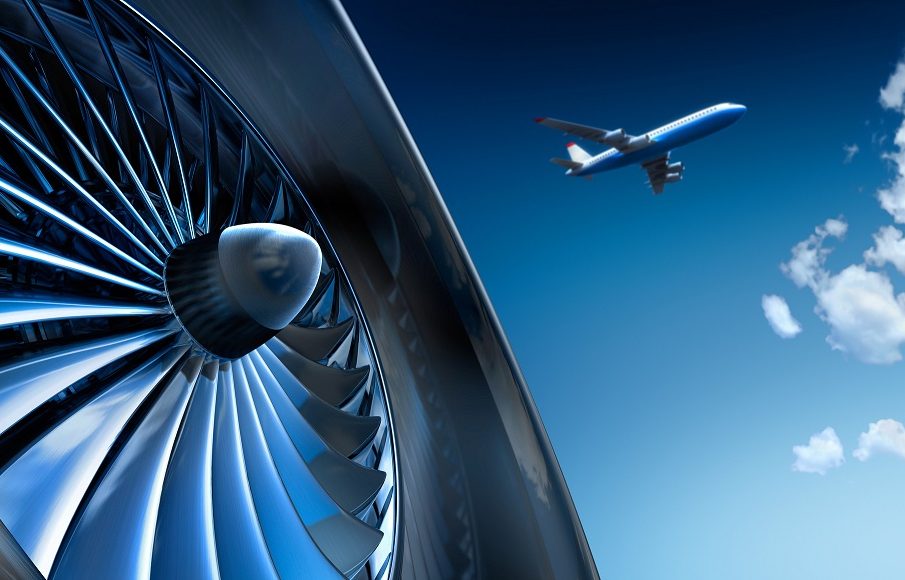
Jet engines run really hot. We’re talking 2,000 degrees Fahrenheit hot. Step outside that same plane at cruising altitude and it’s minus 60. That’s a temperature swing that would kill most materials. They would crack, warp, or just give up. Yet planes make this journey thousands of times without falling apart. The secret? Materials unaffected by temperature.
The Temperature Challenge Gets Tougher
Flying used to be simpler. Planes flew slower. Engines ran cooler. Nobody complained about fuel efficiency. That time has passed. Jets today fly at 600 miles per hour. Military fighters go even faster. All that speed creates friction. Friction makes heat. The nose of a supersonic jet gets so hot it would melt your car’s hood like butter. Not exactly comforting when you’re sitting inside that plane.
Airlines seek fuel-efficient engines. Engineers figured out the trick: burn hotter. Crazy hot combustion squeezes more miles from every gallon. The problem is that these temperatures would turn regular steel into syrup. Then there’s weather. A plane baking on Phoenix tarmac in August hits 150 degrees easily. Twenty minutes later? It’s climbing in freezing air. Every single part expands in heat, shrinks in cold. Seals get confused. Metals get stressed. Some materials just crack under the pressure and call it quits.
Materials Science Rises to Meet the Challenge
Scientists went hunting for tough stuff. Titanium showed up to the party and impressed everyone. This metal keeps its strength when things get toasty. Aluminum would be crying in the corner, but titanium barely sweats. Sure, it costs a fortune and machining it is a nightmare. But when you need something that won’t melt at 1,200 degrees, you pay up.
Someone had a brilliant idea: ceramic sunscreen for metal. Spray a ceramic coating on engine parts and watch the magic happen. A layer thinner than a credit card drops temperatures by 400 degrees. The metal underneath stays cool and happy while hell breaks loose on the surface.
Carbon composites changed everything. Picture carbon threads baked with space-age plastic until they become something extraordinary. Composite material suppliers like Axiom Materials have to nail the recipe exactly right. Too much heat during manufacturing? Ruined. Not enough pressure? Bin it. Get it right, though, and you’ve created something half the weight of aluminum that handles heat like a champ.
Safety Depends on Heat Management
Fire terrifies pilots. So every material on a plane gets tortured with flames before approval. If it releases nasty smoke when burned, it’s out. If it melts and drips flaming plastic, forget it. Passengers never think about this stuff. But it’s why cabin fires don’t turn into disasters anymore.
Engine blades live in misery. Blazing hot gas blasts them thousands of times per minute. One tiny crack from heat stress becomes a big crack. Big crack becomes blade failure. Blade failure becomes very bad day. Modern alloys and coatings stop cracks before they start. Pilots get warning signs instead of surprises.
Ever seen airplane brakes after landing? They glow like charcoal briquettes. A heavy jet hits the runway, and those brakes turn kinetic energy into pure heat. Steel brakes couldn’t hack it. Carbon brakes? They eat that heat and then request more. Moreover, their lighter weight enables more luggage in the hold.
Conclusion
The next time you’re squished into seat 27B, eating pretzels and watching movies, consider the following. The surrounding components are in a constant fight against temperature extremes. They’re winning because of materials that shouldn’t exist. These materials can withstand extreme heat. They make flying boring, a good thing at that altitude. Boring equals safe. Safe means you land, get your bags, and complain about pretzels, not engine troubles.